
Industry solutions · Apparel & Textile Manufacturing
Engineering the Future of Smart Manufacturing.
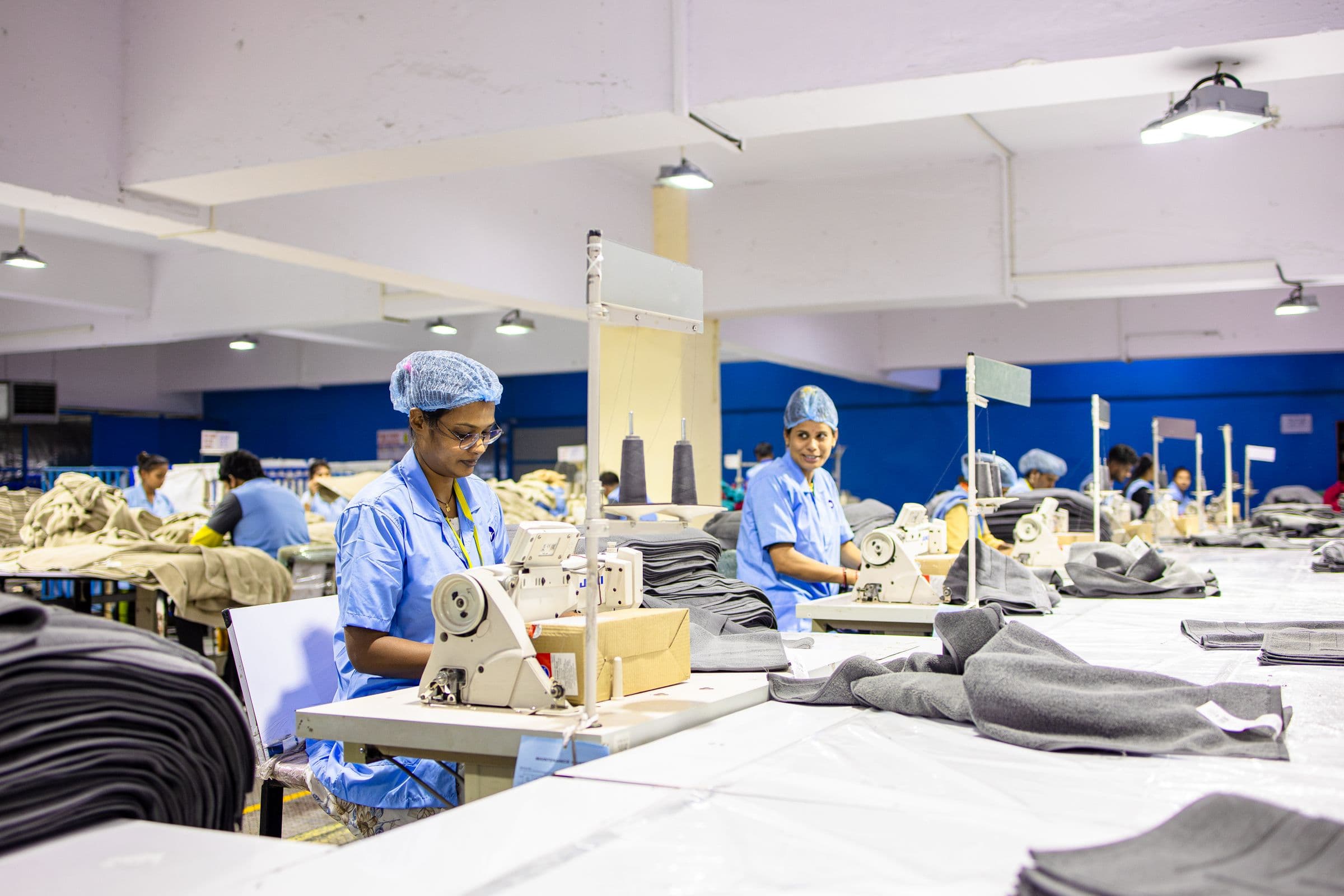
From the first pattern piece to the last finished garment, we engineer the software, IoT and AI that connect CAD rooms, cutting tables and sewing lines into one measurable production system.
- CAD · DXF
- Nesting
- Cutting room
- Sewing-floor IoT
- Bundle tracking
- AI QC
Garment manufacturing runs on data that rarely reaches the people who need it.
A single style moves through pattern engineering, grading, marker making, spreading, cutting, bundling, sewing, inspection and packing. Each stage generates critical information — piece geometry, roll lengths, shade lots, operation times, defect codes — yet most of it lives in disconnected CAD files, spreadsheets, paper bundle tickets and supervisors' notebooks.
Off-the-shelf ERP and MES products assume a generic factory. Apparel is not generic: size ratios change per order, fabric behaves differently per roll, and line balancing depends on operator skill matrices that shift daily. We build systems that understand those realities because they are designed around your styles, your floor layout and your existing equipment.
Our work spans the full chain — parsing and validating AAMA/ASTM DXF pattern files, optimizing markers, tracking every roll and ply, instrumenting sewing machines, and applying computer vision to inspection — so that planning, costing and quality decisions are made on live data rather than end-of-shift estimates.
Every pattern piece, roll and bundle becomes a traceable data point — from CAD to carton.
Domain-first engineering
We speak the language of grading rules, marker efficiency, SAM/SMV, DHU and bundle tickets, so requirements don't get lost in translation.
Built around your equipment
We integrate with the CAD systems, automatic cutters, sewing machines and ERP you already run instead of forcing a replacement.
Floor-ready interfaces
Operator and supervisor tools are designed for gloves, noise, shift changes and multilingual teams — not just for the office.
Traceability by design
Roll, lot, shade, bundle and operator IDs are linked end-to-end, enabling root-cause analysis when a quality issue appears.
Software for every stage of the garment value chain.
Each capability can be delivered as a standalone module or as part of an integrated manufacturing platform connected to your ERP and planning systems.
Apparel CAD & Pattern Engineering
Tooling that works with pattern geometry directly — grading, size-set generation, piece validation and style libraries that keep technical data consistent.
- Grade-rule application and size-set generation
- Seam allowance, notch and grainline validation
- Style and piece libraries with version history
DXF Processing
Robust parsing and normalization of AAMA/ASTM DXF pattern files from different CAD vendors into a clean, queryable piece model.
- AAMA/ASTM DXF import, repair and export
- Piece metadata extraction: size, quantity, grain, notches
- Batch conversion pipelines for large style archives
Nesting & Marker Optimization
Nesting engines that respect grainline, fabric direction, pattern matching and size ratios while maximizing usable fabric.
- Constraint-aware nesting: grain, nap, stripes and checks
- Size-ratio and lay planning across orders
- Marker efficiency analytics per style and fabric
Fabric Inventory Management
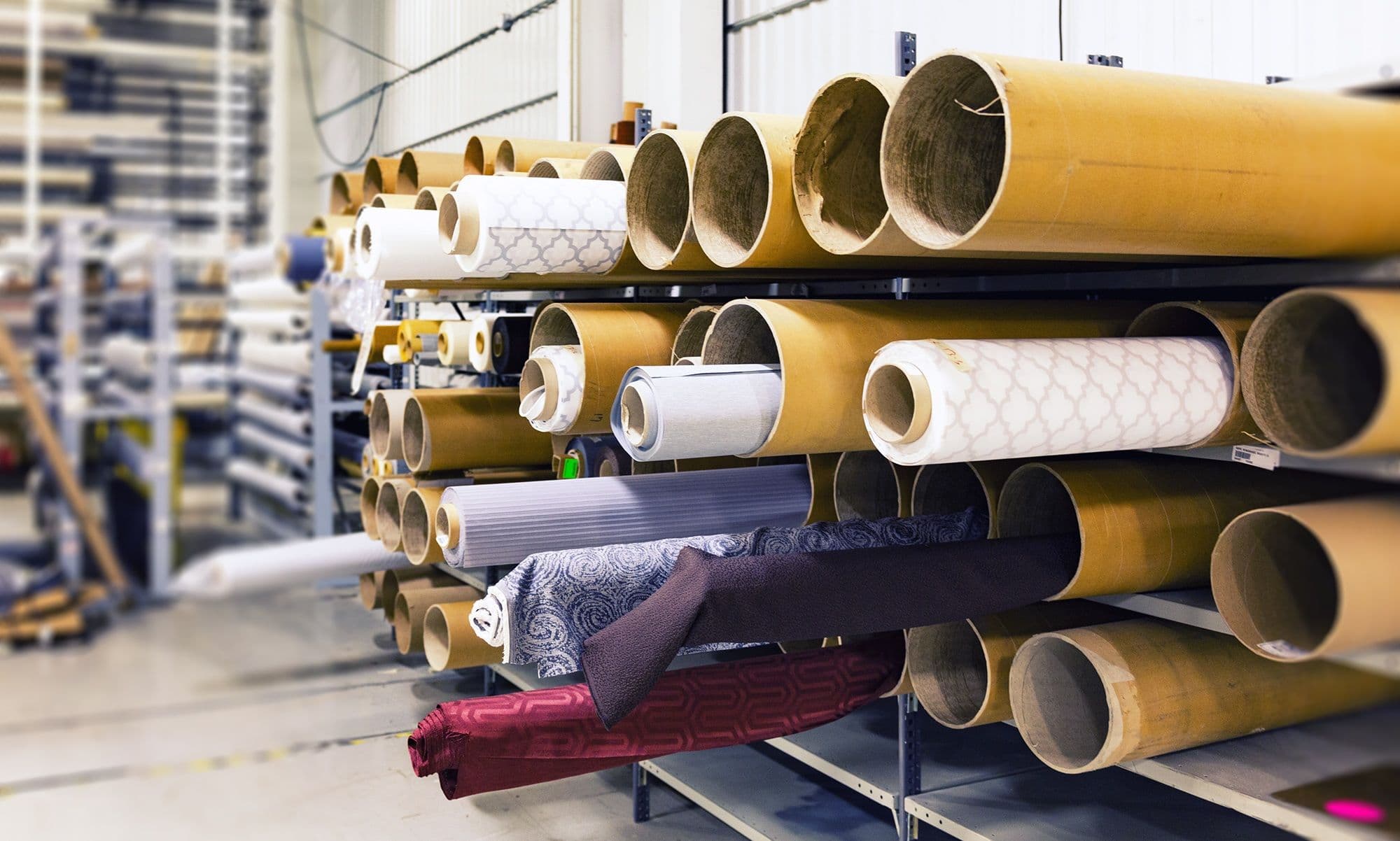
Roll-level inventory with shade, lot, width and actual length tracking so the right fabric is allocated to the right marker.
- Roll ID, lot and shade-band tracking
- Width and length variance capture at inspection
- Shade-aware allocation to lays and orders
Cutting Room Automation
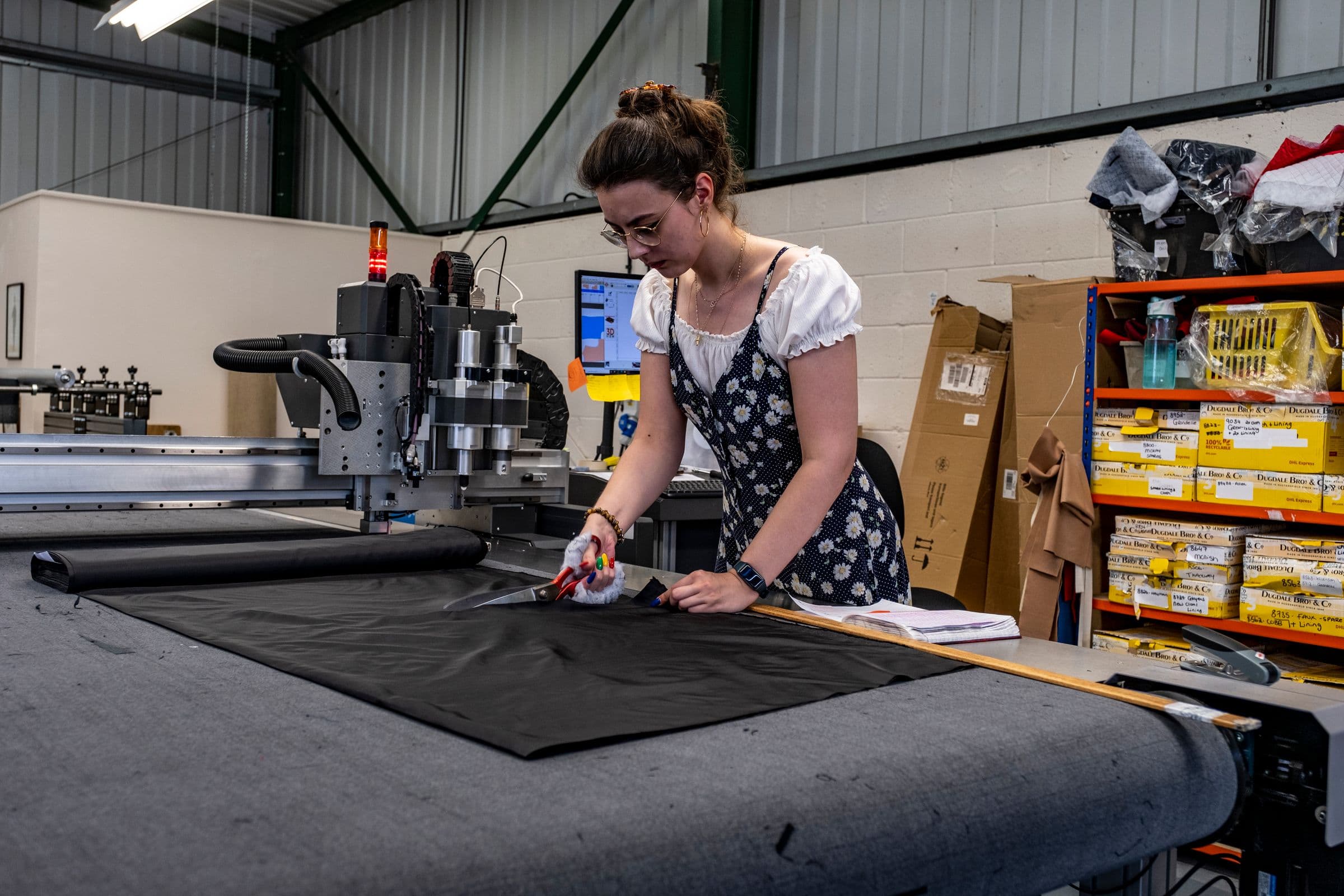
Digital lay planning, spreading records and cut-file delivery to automatic cutters, with every ply and cut piece accounted for.
- Lay plans with ply height and spreading records
- Cut-file generation and cutter integration
- End-bit, re-cut and fabric consumption reconciliation
Sewing Floor IoT
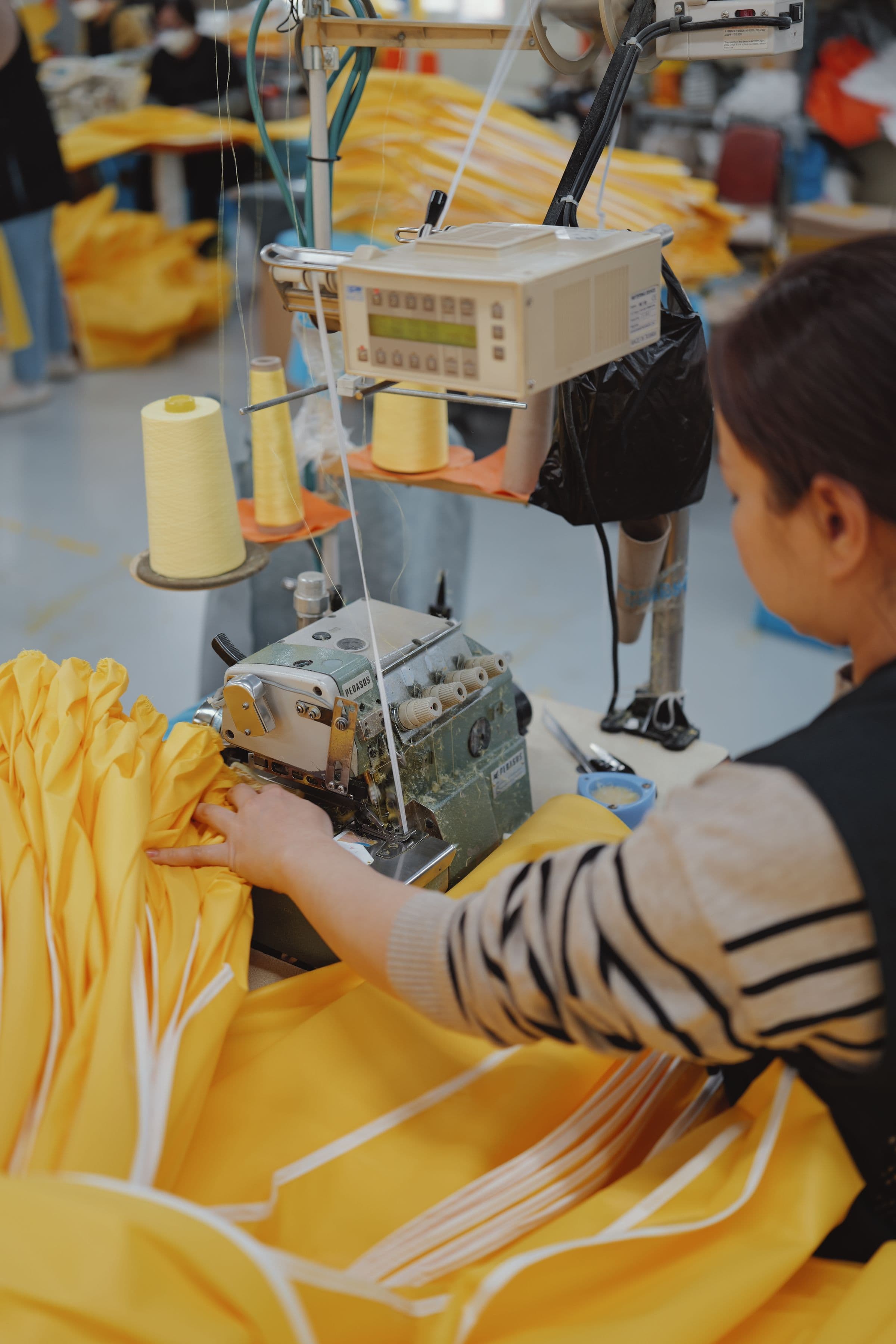
Machine-level sensing and operator terminals that capture production events in real time without disrupting the line.
- Machine run-time, stitch and idle detection
- Operator login and operation assignment terminals
- Edge gateways with offline buffering
Operator Efficiency & Bundle Tracking
Bundle tickets and scans tied to operations and operators, feeding live efficiency against SAM/SMV and line-balancing decisions.
- Barcode or RFID bundle tickets and WIP tracking
- Operator efficiency against standard minute values
- Line-balancing support from skill matrices and live WIP
AI Quality Inspection & Manufacturing Intelligence
Computer vision for in-line and end-line inspection, combined with analytics that connect defects back to rolls, operations and operators.
- Vision-assisted defect detection and classification
- DHU and defect Pareto by line, operation and style
- Production, quality and costing dashboards
On the sewing floor
Every station, every bundle, every operator — visible in real time.
- Bundle tracking
- Operator efficiency
- In-line QC
One connected model from pattern file to production floor.
The platform is layered so that each part can be adopted on its own — and every layer shares the same identifiers for styles, pieces, rolls, bundles and operations.
Intelligence
Manufacturing intelligence & AI
- Production dashboards
- DHU & defect analytics
- Efficiency vs SAM
- Vision inspection models
- Costing insight
Application
Planning & execution services
- Marker & lay planning
- Fabric allocation
- Cutting records
- Bundle & WIP tracking
- Line balancing
Data
Unified production data model
- Style & piece library
- Roll / lot / shade
- Bundle & operation events
- ERP & PLM sync
- Audit history
Edge
CAD, cutters & sewing-floor devices
- DXF import / export
- Automatic cutter interfaces
- Machine sensors
- Operator terminals
- Barcode / RFID scanners
Typical production challenges we engineer for.
Fragmented pattern data across CAD systems
- Challenge
- Pattern files arrive from several CAD vendors and outside designers in slightly different DXF dialects, leading to manual clean-up, missing notches and inconsistent piece naming before markers can be made.
- Engineering approach
- A DXF ingestion pipeline that validates, repairs and normalizes every file into a single piece model, flags geometry issues for review and publishes clean data to marker planning.
No visibility between cutting and sewing
- Challenge
- Cut bundles leave the cutting room on paper tickets. Supervisors only learn about WIP imbalances or missing bundles at the end of the shift, when it is too late to rebalance the line.
- Engineering approach
- Scannable bundle tickets generated from the lay plan, operator terminals at each workstation, and a live WIP board that shows where every bundle is and which operations are becoming bottlenecks.
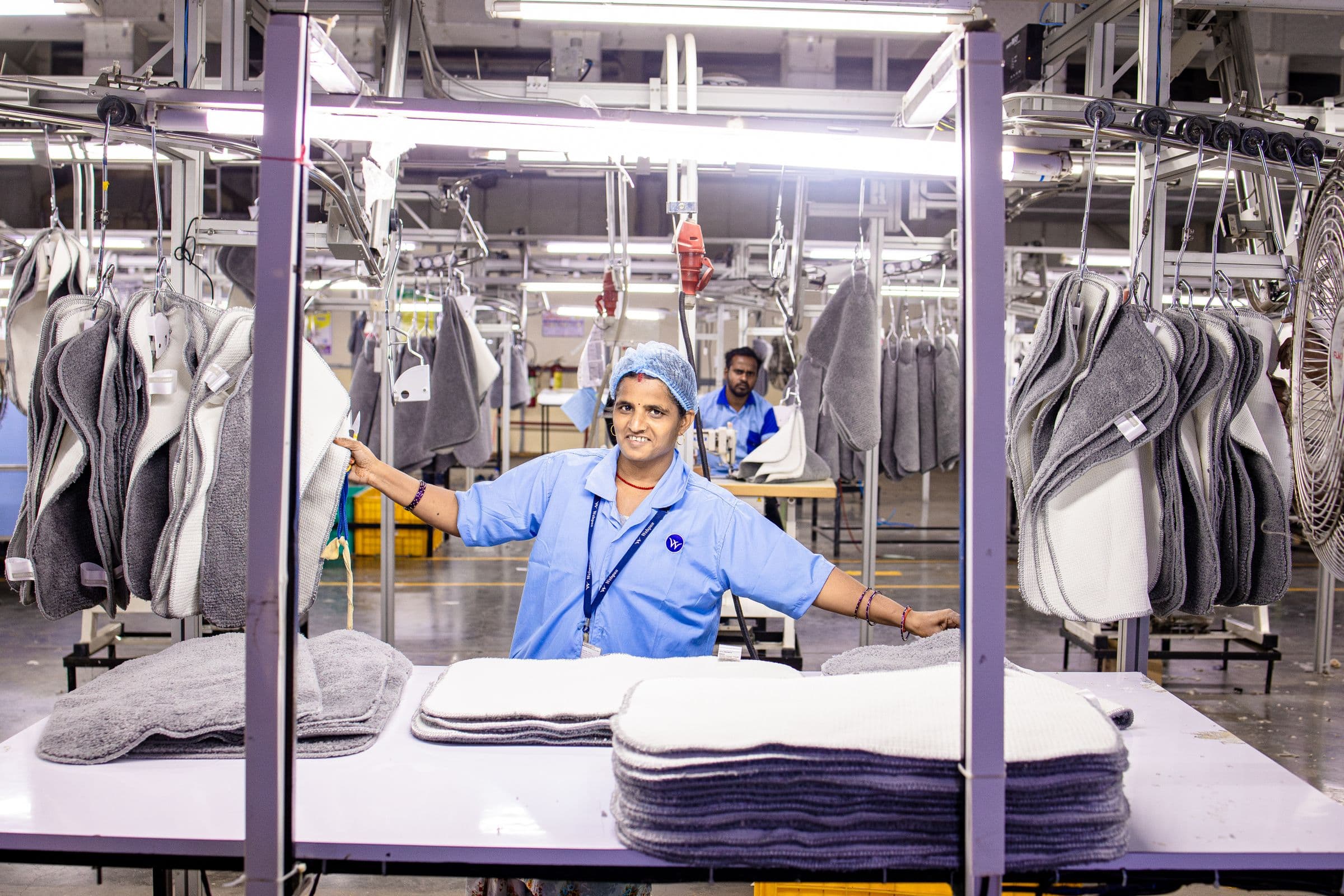
Quality issues discovered too late
- Challenge
- Defects are caught at end-line inspection, but nobody can trace whether they originate from a fabric roll, a specific operation or a machine setting.
- Engineering approach
- Vision-assisted inspection points with structured defect codes linked to bundle, roll, operation and operator, giving quality teams the traceability to act on root causes.
Starting on the floor, not in a slide deck.
- 1
Floor walk & process mapping
We observe the actual flow from CAD to packing, document data hand-offs, equipment, and where information is lost or re-keyed.
- 2
Data model & integration blueprint
We define the shared identifiers and data model for styles, pieces, rolls and bundles, and map integrations with your CAD, cutters, ERP and PLM.
- 3
Pilot on one line or cutting room
A focused pilot proves the hardware, software and workflow with real operators before any factory-wide rollout.
- 4
Scale across lines and sites
With the pilot validated, we roll out progressively, train supervisors and operators, and harden the system for multi-shift operation.
- 5
Continuous improvement
Dashboards and analytics evolve with your production priorities, from marker efficiency to line balancing to defect reduction.
Relevant technology
- CAD & geometry
- AAMA/ASTM DXFC++RustWebAssemblyComputational geometry
- Platform
- PythonFastAPILaravelPostgreSQLClickHouseRedis
- Floor & edge
- ESP32MQTTIndustrial gatewaysBarcode / RFIDFlutter terminals
- AI & analytics
- Computer visionEdge AITime-series analyticsReact dashboards
Frequently asked
Can you work with our existing CAD system and automatic cutters?
Yes. We integrate with what you already run. Pattern data is typically exchanged through AAMA/ASTM DXF or vendor export formats, and cutter integration is handled through the cut-file formats and interfaces your equipment supports. Where an integration path is unclear, we assess it during discovery before committing to scope.
Do we need to replace our ERP to use your manufacturing software?
No. We position the production platform alongside your ERP. Orders, styles and materials flow in from the ERP, and production, consumption and quality data flow back. The goal is to fill the execution gap between planning and the shop floor, not to duplicate your ERP.
How is sewing-floor data captured without slowing operators down?
We combine passive machine sensing — run time, idle time and stitch activity — with lightweight interactions such as a single bundle scan at the start of an operation. Terminals are designed for speed, large touch targets and multilingual teams, and edge gateways buffer data if the network drops.
What does AI quality inspection involve in practice?
We start by defining the defect taxonomy and inspection points with your quality team, collect and label images from your actual products, and then deploy vision models that assist inspectors. Results are tied to structured defect codes and traceability data, so the system supports human decisions rather than replacing them.
Can we start with a single module, such as DXF processing or bundle tracking?
Yes, and we often recommend it. Each module is designed around a shared production data model, so a focused first module — for example DXF normalization or bundle tracking on one line — can later connect to nesting, cutting, IoT and analytics without rework.
Continue exploring
- Industrial IoTMachine telemetry, PLC integration and edge computing that power sewing-floor and cutting-room sensing.
- Enterprise AI IntegrationComputer vision, predictive analytics and document intelligence added to your existing systems.
- Engineering ApproachHow we move from floor walk and blueprint to a production-ready, validated system.
Start a conversation
Ready to connect your CAD room, cutting room and sewing floor?
Tell us about your styles, equipment and production challenges. We'll map where data is being lost today and outline a practical path to a connected, measurable production system.